September 29, 2026
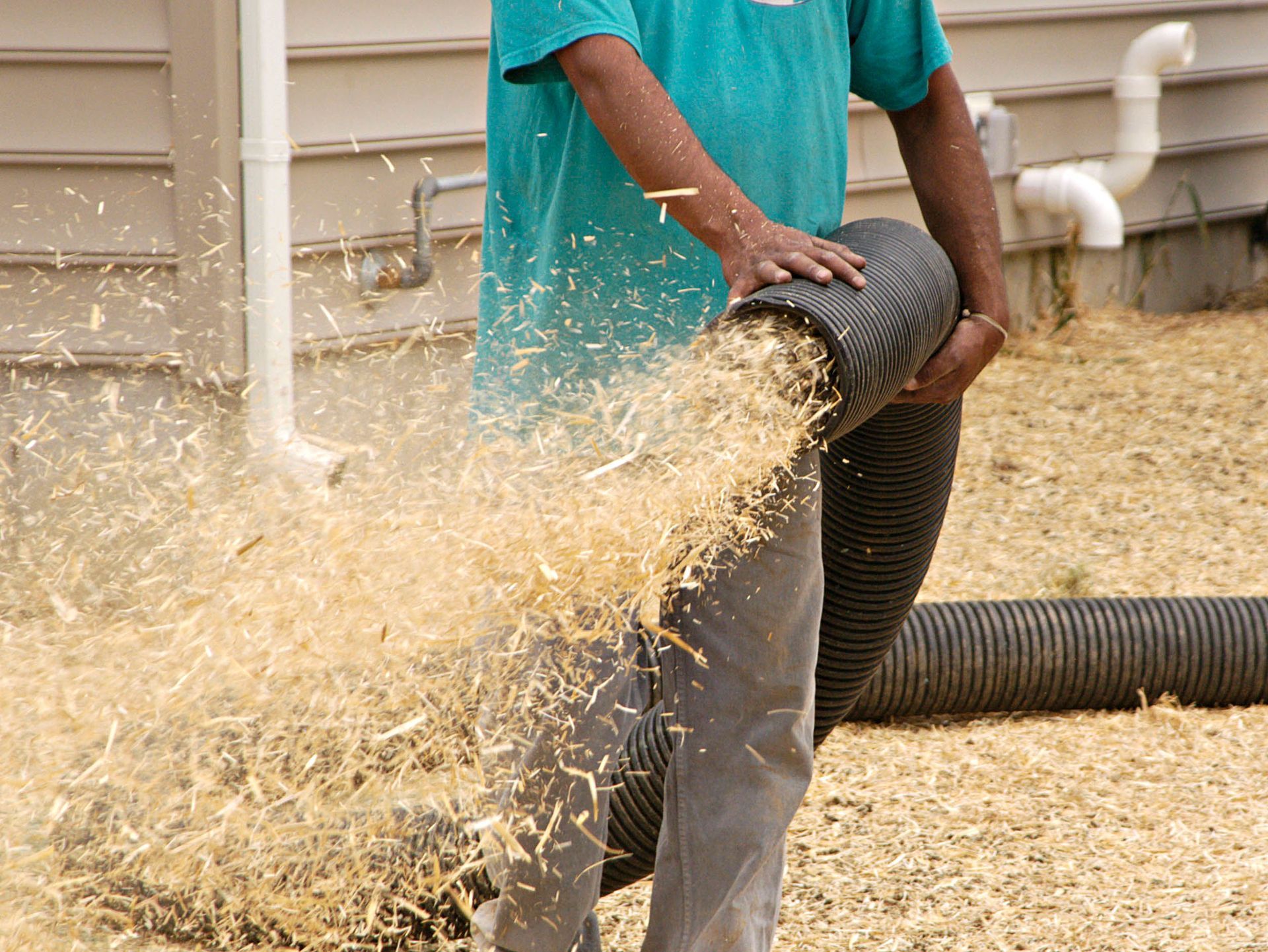
In this article, we will explore the advantages of hydroseeding compared to traditional methods like sodding and seeding. Hydroseeding has gained popularity due to its efficiency, cost-effectiveness, and adaptability to various environments. Let us delve into the specific benefits and how they address common concerns. This method combines seed, mulch, fertilizer, and water in a slurry that is sprayed onto designated areas, enhancing its appeal among landscapers and contractors.
Reduce Landscaping Costs With Hydroseeding
Hydroseeding offers remarkable cost benefits over sodding. According to LawnStarter, hydroseeding costs at most 80% less than sod installation while delivering superior coverage to traditional seeding. This significant cost reduction allows for larger projects to be completed within budget, making it advantageous for those looking to cover expansive lawns or commercial fields. Additionally, the flexibility of hydroseeding means that it can be applied in a fraction of the time compared to laying sod.
One of the primary reasons to opt for hydroseeding over sodding is its ability to establish a stronger root system right from the start. Because the seeds are directly sprayed onto the soil, they adapt more naturally to the environment, which helps in developing deep-rooted, hardy grass that is less susceptible to diseases. On the contrary, sod often struggles with root establishment post-installation, especially if not managed as per stringent guidelines. Moreover, the shock associated with transplanting sod can result in patchy areas, further increasing long-term maintenance costs.
Hydroseeding also supports a more diverse application, particularly in uneven terrains where sodding is either labor-intensive or impractical. This versatility allows landscapers to achieve seamless coverage across challenging terrains like slopes or curves. Whether for residential lawns or larger infrastructure projects, the capacity to integrate seamlessly without the structural constraints of sod enhances hydroseeding’s appeal. In short, hydroseeding presents an inviting alternative in scenarios where traditional methods face geographical limitations.
Protect the Environment Through Hydroseeding
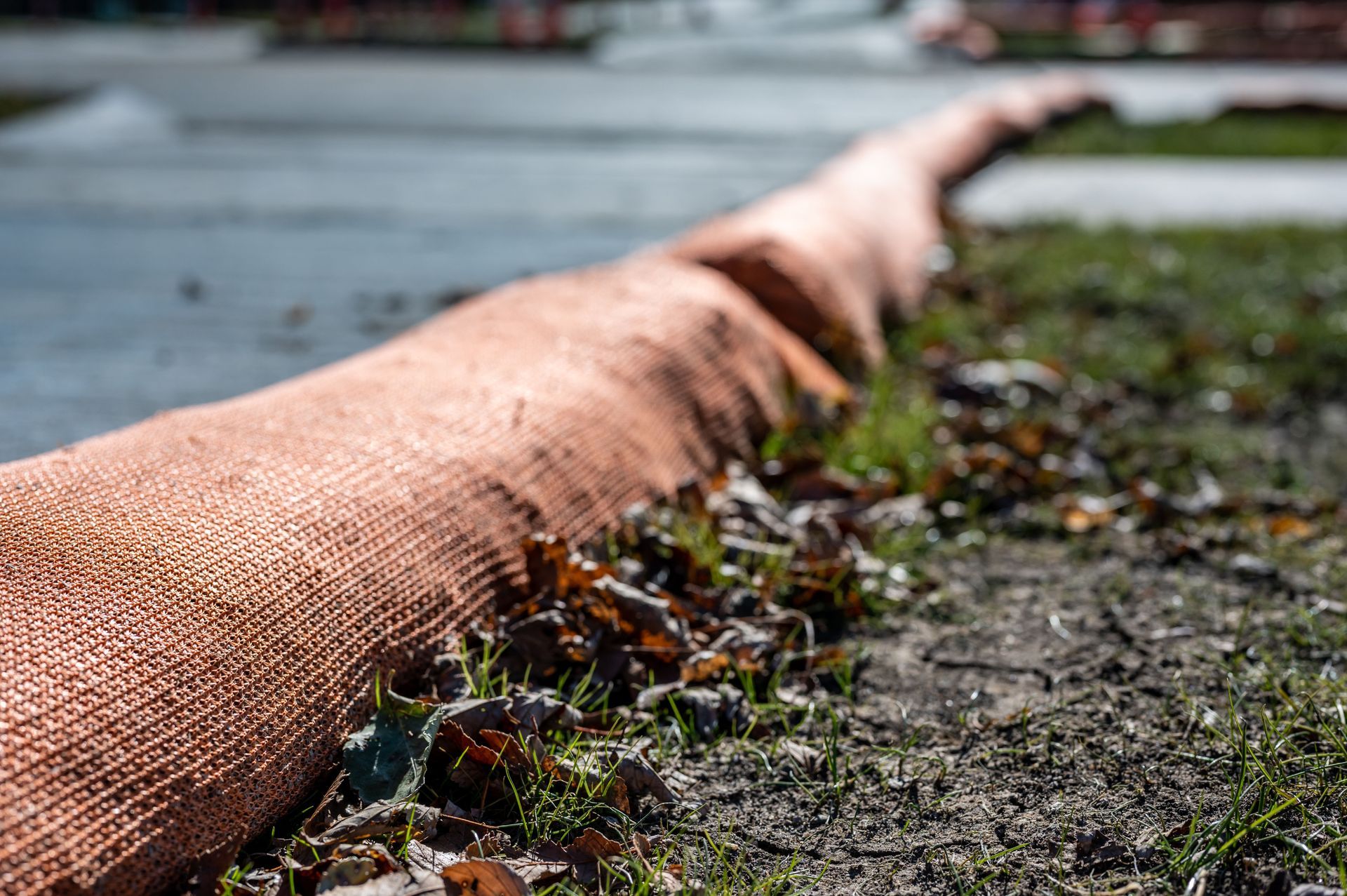
The environmental benefits of hydroseeding are significant, distinguishing it from sodding and traditional seeding. The hydroseeding process integrates mulch, which acts as a protective layer against erosion and supports water retention, resulting in less watering required during the germination phase. This contrasts with sod, which, once installed, demands frequent and extensive watering to establish. Hence, hydroseeding can be a more sustainable choice for environmentally conscious homeowners and landscapers.
Moreover, hydroseeding's slurry includes fewer inorganic additives compared to rolled sod, reducing the chemical footprint of landscaping projects. By naturally binding with the soil, hydroseeding fosters native vegetation, which attracts local wildlife, including pollinators like bees and butterflies. Unlike sodding, which often introduces invasive or non-native grass species that could disrupt local ecosystems, hydroseeding aligns more closely with maintaining biodiversity. This ecological synergy is particularly beneficial in areas where maintaining diverse plant life is a priority.
Hydroseeding also contributes to improved air and soil quality. As it fosters a healthy and robust root system, it enhances ground stability, reducing soil erosion and allowing better filtration of rainwater. This guards against pollutants entering water bodies, thereby protecting local water quality. When considered collectively, these factors underscore hydroseeding as not just a practical choice, but a responsible environmental decision.
Improve Germination and Growth With Hydroseeding
The blend used in hydroseeding, often referred to as hydro mulch, includes a range of growth stimulants that boost plant health from the outset. This mixture creates an ideal growing environment, allowing seeds to germinate in as little as five to seven days after application. On the other hand, traditional hand-seeding requires more time and care to show comparable results. By providing balanced moisture and protection from elements such as wind or intense sunlight, hydroseeding substantially increases the likelihood of germination success.
Additionally, the consistent application of fertilizer within the hydroseeding mix promotes healthier, thicker growth. This consistency ensures that all areas receive equal nutrients and protection, unlike sodding. The fertilizer assists in quick establishment and long-term resilience, allowing grass to thrive with fewer inputs once matured. This translates to healthier lawns that require less ongoing maintenance, freeing up resources for property owners.
Another advantage is that hydroseeding promotes uniform coverage and growth patterns across the applied area. The absence of gaps or seams, a common issue with sod installation, provides uniformity in aesthetics and functionality. This full coverage eliminates weak spots that could be prone to pests or disease outbreaks, creating a more robust and sustainable landscape. Ultimately, this leads to uniformity that satisfies both practical purposes and visual appeal.
Adapt Hydroseeding to Different Conditions
Hydroseeding is renowned for its adaptability and holds potential across a wide range of climate conditions and soil types. Its composition can be tailored to suit specific environmental challenges; for example, adjusting seed types for different temperature zones or soil texture. This adaptability provides hydroseeding with an edge over sodding, which can be severely restricted by regional climatic limitations. The customization ensures that whether it's a temperate or arid environment, hydroseeding flourishes effectively with the right preparatory measures.
The flexibility in seed selection further promotes soil health and adaptability. Native grasses often included in hydroseeding mixes thrive better in local conditions compared to some commercial sod varieties. This adherence to natural biosystems enables the cultivated grasses to resist disease better, adapt to the local ecosystem, and reduce the need for chemical interventions. By aligning with local flora, hydroseeding presents both agricultural and ecological benefits that traditional sod installation might overlook.
Even in challenging soil types, such as sand or clay-heavy earth, hydroseeding demonstrates strong performance by binding soil particles with its high-moisture mulch. This not only improves soil structure but makes it more conducive to plant growth. Consequently, hydroseeding provides a pathway to rehabilitation in locations under environmental stress whilst promoting sustainable landscaping practices. With careful seed and additive choices, even the most inhospitable sites can be revitalized to support rich, vibrant growth.
Simplify Lawn Maintenance With Hydroseeding
Though hydroseeding initially demands more attention than some landscaping methods, it eventually leads to easier maintenance. Right after application, the area needs consistent watering to ensure seed germination. This involves keeping the soil moist without flooding, usually achievable with precise irrigation systems. Despite this initial diligence, once the grass establishes roots, it becomes more self-sustaining and requires simpler upkeep than sod, which might need re-rooting or repair over time.
Hydroseeding areas benefit from reduced weed growth due to the dense sward that develops through optimal seeding rates. As the plant community becomes established and melds tightly together, less room is left for unwanted plants to invade. This natural crowding out of competitive species means that less frequent herbicide usage is necessary compared to areas with poorly laid sod, cutting down on both time and chemical usage in garden maintenance. Thus, property owners can maintain lush, healthy gardens without extensive interventions.
In terms of lawn care, hydroseeding offers a more manageable mowing schedule. Grass established through hydroseeding grows uniformly, leading to straightforward mowing routines without the risk of cutting into uneven or patchy sod. This consistency reduces the risk of lawn scalping and leaves less opportunity for pests to find hiding spots. Over time, maintaining a hydroseeding lawn simplifies routines while maximizing both appearance and health, making it an inviting choice for both residential and commercial use.
Hydroseeding offers numerous advantages over traditional seeding and sodding methods, providing cost savings, environmental benefits, and robust plant growth. By understanding its versatility and suitability across various climates and soil conditions, you can make an informed decision about embracing this effective landscaping technique for your next project. Hydroseeding stands out not just for its immediate results but also for its long-term sustainability and simplicity in maintenance. Investing in this technique could align your landscaping endeavors with both economic and ecological awareness. Reach out to Twin City Hydroseeding to learn more about our services today.