July 14, 2026
Whether you are managing a large commercial development or protecting a residential landscape, managing soil stability is a significant responsibility. Without proper interventions, weather events can strip away vital topsoil, damage foundations, and ruin the aesthetics of your property. The scale of this problem is massive. Water erosion and wind erosion are the main reasons for land degradation worldwide, affecting about 84% of degraded land, according to Kiddle. Because the stakes are so high, finding the right professional is essential to ensure long-term stability and compliance with local environmental regulations. You need a contractor who understands soil health, proper drainage, and rapid vegetation establishment. One highly effective method many experts offer is hydro seeding, a process that applies a specialized slurry of seed and mulch to lock soil in place while promoting fast growth. However, not all contractors provide the exact same level of expertise.
1. What Specific Erosion Control Methods Do You Provide?
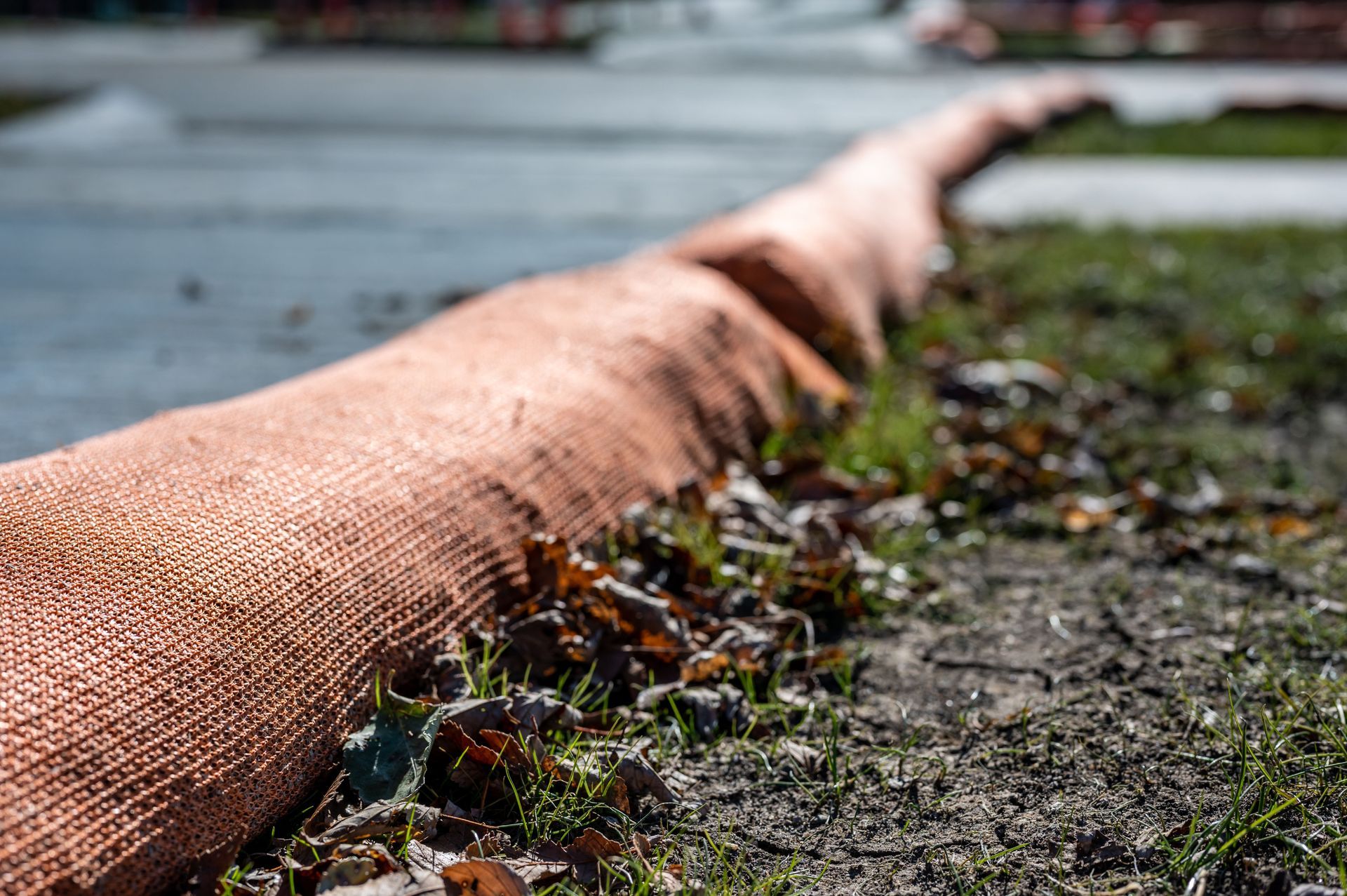
When interviewing a prospective contractor, start by asking about their specific toolkit. No two landscapes are exactly alike, which means a one-size-fits-all approach rarely works for soil stabilization. An experienced professional should offer a diverse range of physical and biological barriers to match the exact grade, soil type, and weather exposure of your site. Listen for companies that can install reliable physical boundaries such as a silt fence to catch sediment runoff on perimeters, or straw bale barriers for temporary structural support during heavy rains. For slopes and vulnerable open spaces, they should be able to provide erosion control blankets and mulch logs, which offer immediate soil retention while vegetation takes root. Furthermore, buffer strips are an excellent natural method for filtering runoff before it reaches sensitive areas. A comprehensive contractor will know exactly when to deploy these physical barriers in combination with hydro seeding to ensure the ground remains completely stable both during and after the critical germination phase.
2. Do You Offer Solutions for Stormwater and Drainage?
Managing the flow of water is just as important as holding the soil in place. Heavy rains can quickly wash away newly laid seed and topsoil if the water is not properly directed and slowed down. Therefore, your erosion expert must have strategies specifically designed for areas with heavy water flow. Ask them how they handle culverts and municipal drainage points. A knowledgeable contractor will offer specific solutions like culvert protection and storm drain inlet protection to prevent sediment from clogging local waterways, which is often a requirement for municipal compliance. Additionally, for areas with high-velocity water flow, such as drainage ditches or steep embankments, they should have the capability to install rip rap—a permanent layer of large stones that absorbs the impact of flowing water. By controlling the water's speed and direction, these structural defenses create a safe environment for your hydro seeding application to take root without being washed away by the first heavy storm.
3. How Do You Prepare the Soil Before Application?
The secret to successful erosion prevention and grass growth lies beneath the surface. If a contractor applies seed or barriers over poorly prepared ground, the results will be short-lived. Soil preparation is a vital question to ask because it dictates the long-term success of the entire project. Inquire about their process for grading and smoothing the earth. A top-tier professional will always include comprehensive finish grading to ensure the land contours direct water away from structures and prevent pooling. Following the grading process, proper seedbed preparation is necessary to loosen compacted dirt, allowing roots to penetrate deeply and securely into the earth. When the ground is properly smoothed, aerated, and prepped, it provides the perfect canvas. Only after meticulous finish grading and seedbed preparation should the team move forward with hydro seeding, ensuring the nutrient-rich slurry makes direct contact with the soil for maximum germination and ultimate landscape stability.
4. Can You Provide Eco-Friendly and Native Planting Options?
Today, many property owners are looking for environmentally friendly ways to manage their landscapes. Native plants are incredibly effective for stabilizing soil because their deep, complex root systems anchor the earth far better than typical shallow-rooted turfgrasses. When speaking with an expert, ask if they offer wildflower & native grass seeding. These specialized plant varieties are naturally adapted to the local climate, meaning they require significantly less water, fertilizer, and maintenance once established. Wildflower & native grass seeding not only fortifies the ground against harsh weather but also creates a beautiful habitat that supports local pollinators like bees and butterflies. A skilled contractor will know how to blend these native seeds into a customized hydro seeding mix, delivering a resilient landscape that naturally defends itself against the elements while reducing your ongoing landscape maintenance costs.
5. What is Your Process for Establishing a New Lawn While Preventing Erosion?
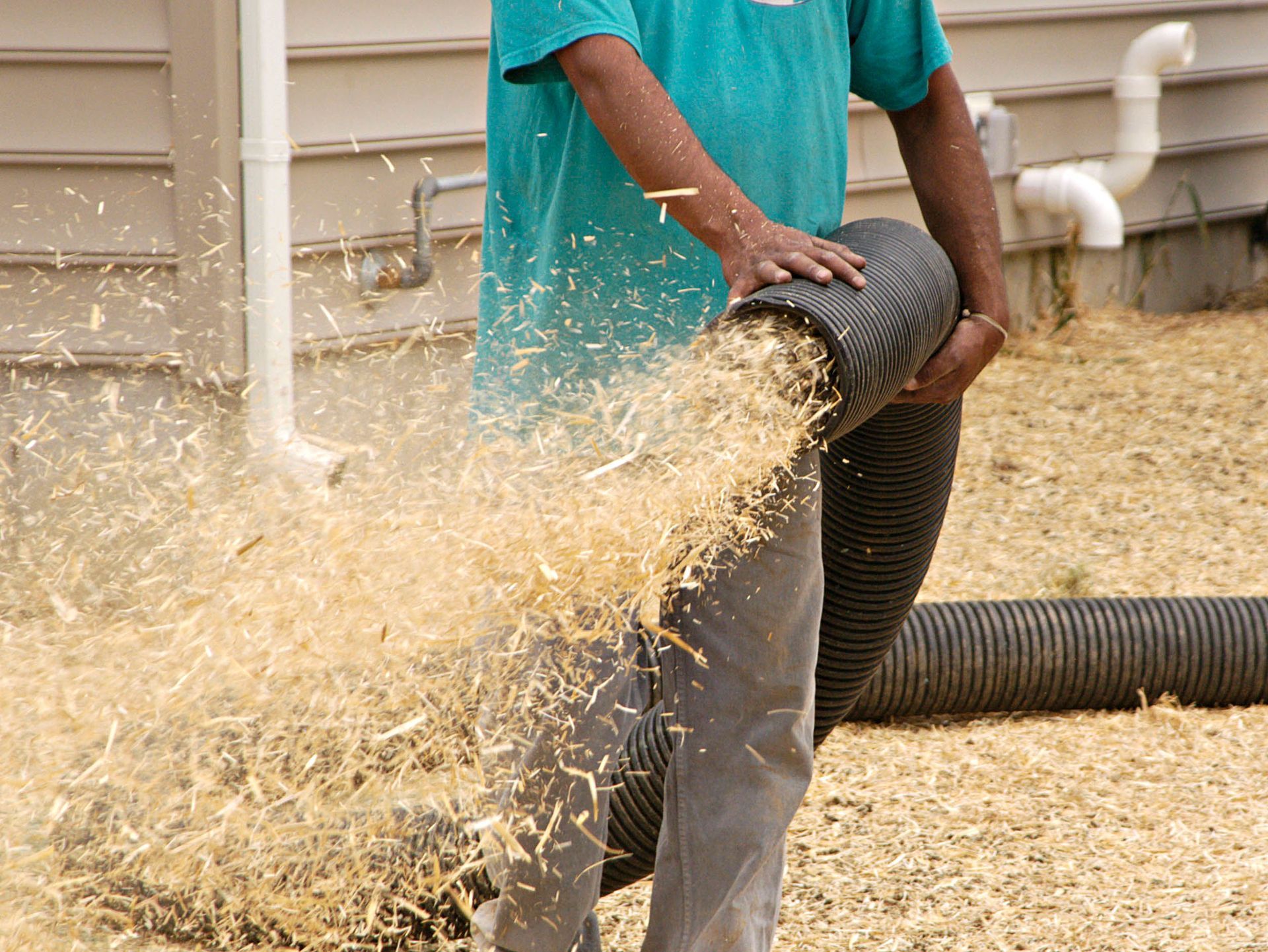
For many residential and commercial property owners, the ultimate goal is not just stopping mudslides, but also establishing a lush, attractive lawn. It is important to ask how the contractor bridges the gap between rugged soil stabilization and pristine landscaping. Ask about their specific approach to lawn seeding. Do they just throw down dry seed, or do they have a systematic method for ensuring it grows evenly without washing away? Sometimes, traditional methods using hay to cover dry seed are sufficient for smaller, flat patches. However, for larger areas or properties with uneven terrain, relying on dry seed and hay might leave your yard vulnerable to wind and rain. An expert will explain how combining traditional lawn seeding concepts with advanced hydro seeding technology creates a superior result. The protective mulch in the slurry acts as a blanket, holding the grass seed exactly where it needs to be while retaining essential moisture for rapid, even growth.
6. Do You Offer Ongoing Support and Watering Guidance?
The job does not end the moment the crew leaves your property. The days and weeks following the initial application are the most critical for the survival of your new landscape. If the soil dries out or if heavy rains occur, the investment could be compromised. Ask your potential contractor what kind of post-application support they provide. Do they offer a dedicated watering service & more to ensure the ground stays consistently moist during the delicate germination period? Proper hydration is the deciding factor between a patchy, failed project and a thick, robust root system. Even if you plan to handle the watering yourself, the company should provide detailed instructions on how often and how much to water. By pairing a high-quality hydro seeding application with an expert watering service & more, your contractor guarantees that the protective vegetation will establish quickly, securing the soil and bringing your landscape vision to life.
Protecting your property from land degradation requires a strategic approach tailored to your specific environment. By asking these six essential questions, you can confidently evaluate any contractor and ensure they have the knowledge, equipment, and services required to handle your unique challenges. Whether you need physical barriers like a silt fence and mulch logs, specialized native plantings, or comprehensive finish grading, hiring the right team makes all the difference. Remember to look for professionals who understand the critical balance between immediate soil retention and long-term vegetation growth. Take the time to interview your candidates thoroughly, review their service offerings, and ensure they prioritize the long-term health of your property. If you are ready to protect your landscape with proven, effective techniques, reach out to Twin City Hydroseeding.