August 28, 2026
In the quest for lush, green landscapes, hydroseeding and grass seeding are popular methods. Choosing the right time of year to implement these techniques is crucial for success. This article explores the optimal periods for hydroseeding and grass seeding, considering climatic conditions, soil biology, grass types, and regional variations.
Understanding the Basics of Hydroseeding and Grass Seeding
What is Hydroseeding?
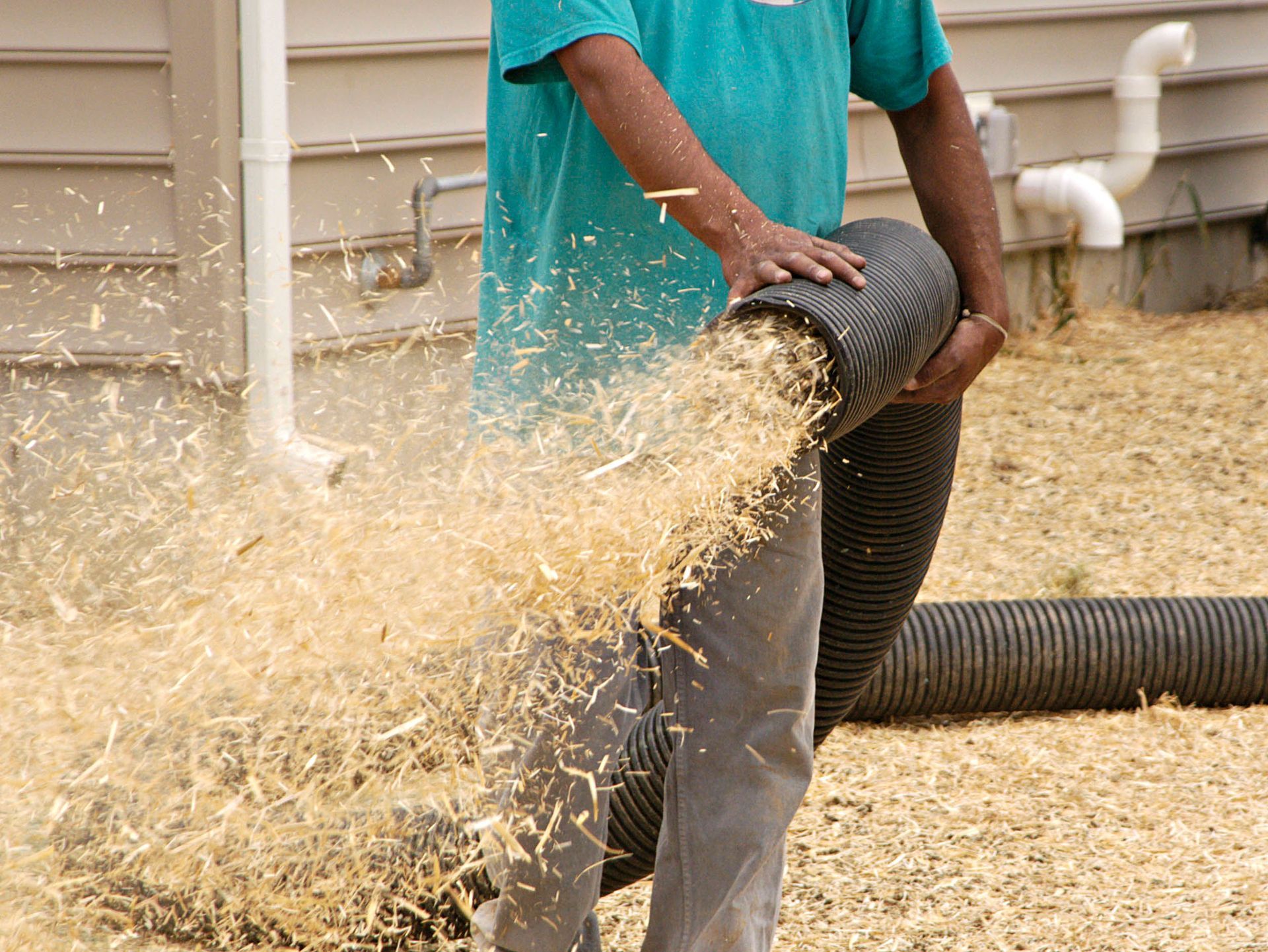
Hydroseeding is a planting process that involves spraying a slurry of seeds, water, mulch, and fertilizers onto the ground. This method is favored for its efficiency and ability to cover large areas with relative ease compared to traditional seeding. The mulch in the hydroseed mixture helps to retain moisture, providing a protective bed for the seeds to germinate and grow. Originating in the 1940s, hydroseeding has become a go-to method for erosion control and landscaping applications. Despite its advantages, achieving optimal results with hydroseeding requires attention to timing, weather conditions, and the specific needs of the seeds used.
What is Grass Seeding?
Grass seeding refers to the process of sowing grass seeds directly into the soil to establish a lawn or green area. Traditional seeding involves preparing the soil surface, dispersing seeds, and providing consistent care to encourage germination and growth. This method requires careful selection of grass types suited to local conditions and intended use. Patience and diligence in soil preparation, seeding, and maintenance are essential for the success of this method. While more labor-intensive compared to hydroseeding, grass seeding offers greater control over seed distribution and establishment.
Comparative Benefits of Hydroseeding and Grass Seeding
Hydroseeding offers the advantage of rapid coverage, making it an excellent choice for large areas or challenging terrains such as slopes. In contrast, grass seeding provides more flexibility in seed type selection, allowing customization to specific lawn needs. Both methods have roles in soil stabilization and can enhance an area's aesthetic and environmental value. Cost considerations play a role, with hydroseeding often being more economical for large scale projects. Ultimately, the choice between the two methods may depend on the project's scope, timing, and specific site conditions.
The Importance of Timing
Timing is crucial in both hydroseeding and grass seeding as it influences seed germination, growth rates, and ultimately, the success of the project. Seasonal changes dictate different requirements for soil temperature and moisture, which can significantly affect germination. Planting at the wrong time can lead to seed dormancy, low germination rates, and increased susceptibility to pests and diseases. Understanding the lifecycle of different grass species helps in planning the optimal seeding schedule. Proper timing not only enhances the growth but also ensures a vigorous, healthy lawn that can endure seasonal changes.
Factors Influencing Grass Growth
Several factors impact grass seed germination and growth, including soil quality, moisture levels, and climatic conditions. Soil pH and nutrient availability are essential for optimal growth and should be adjusted according to the grass species being seeded. Moisture management is critical; according to This Old House, for the first two months after hydroseeding, it’s necessary to ensure the lawn remains consistently moist. Temperature fluctuations and sunlight exposure also affect the growth rate and robustness of the grass. An awareness of these factors helps in mitigating risks and promoting faster and healthier growth.
Spring: A Prime Season for Seeding
Spring Temperature and Climate Conditions
Spring is often heralded as a time of renewal and growth, making it ideal for hydroseeding and grass seeding. The warming temperatures and increased daylight hours provide an excellent environment for seed germination. In most regions, spring brings about consistent rainfall, reducing the need for frequent irrigation. The moderating temperatures prevent seeds from experiencing the extreme heat of summer, which could hinder establishment. However, the unpredictable weather patterns in early spring may pose challenges, requiring careful monitoring of weather forecasts.
Soil Thaw and Preparation
As the ground thaws in spring, it becomes more pliable and conducive for seed sowing activities. Soil preparation during this time involves aeration, clearing debris, and leveling the surface to ensure even seed dissemination. Spring provides the opportunity to amend soil issues identified during the winter, such as nutrient deficiencies or compacted areas. The natural thawing process exerts a regenerative effect on soil properties, enhancing its capability to support new plant growth. Proper preparation helps ensure better seed-to-soil contact, fostering robust germination and establishment.
Optimal Grass Types for Spring Seeding
Certain grass types thrive better when seeded in the spring as they align with the season’s growing conditions. Cool-season grasses, such as Kentucky bluegrass and perennial ryegrass, perform well when planted in early spring, taking advantage of the cool temperatures before summer heat sets in. Conversely, warm-season grasses may not establish rapidly in spring and are better suited to later planting. Tailoring seed choices to match spring’s climatic conditions can lead to a vibrant, enduring lawn. Understanding the growth tendencies of specific grass varieties allows for better planning and successful seeding outcomes.
Pros and Cons of Spring Seeding
Spring seeding offers several advantages, including favorable weather conditions and a longer growing season for grass establishment. The increased rainfall reduces the burden on irrigation systems, providing natural moisture critical for seed germination. However, there are also downsides, such as the risk of late frost damaging young shoots or fluctuating temperatures affecting growth. Additionally, the competition from burgeoning weeds in spring can pose significant challenges to newly sown lawns. Weighing the pros and cons is crucial in determining the appropriateness of spring as a seeding period for any given project.
Steps to Successful Spring Seeding
Achieving a successful spring seeding starts with careful soil preparation, including assessment and amendment of soil nutrient levels. Selecting grasses suitable for spring conditions and appropriately timing their sowing is critical. Once seeded, consistent moisture management becomes essential, as spring rains may need to be supplemented with regular watering. Monitoring for pest and weed intrusion, which can be more pronounced in spring, helps protect emerging seedlings. By following these steps, a robust spring-germinated lawn can flourish, providing lasting beauty and functionality through the year.
Summer Seeding: Challenges and Considerations
Warm-Season Grasses and Their Suitability
Summer presents a unique opportunity for planting warm-season grasses such as Bermuda and Zoysia, which thrive in the heat. These grasses have evolved to take advantage of the summer heat and long daylight hours, growing robustly if given the right conditions. Successful summer seeding requires carefully managing soil temperature, moisture, and ensuring proper seed-soil contact. Warm-season grasses establish quickly in summer, making them ideal for lawns and sports fields needing rapid cover. Selecting the correct grass variety that matches the climate and intended use is key to a successful summer planting.
Challenges of Summer Heat and Drought
Summer seeding can be fraught with challenges, with heat and potential drought posing significant threats to seedling establishment. High temperatures can accelerate seed germination but also come with increased risks of desiccation and soil crusting. Prolonged heat can dry the soil surface quickly, necessitating more frequent watering interventions. Additionally, summer brings with it increased demands on water supply, requiring efficient and strategic irrigation practices. Understanding these challenges helps identify management strategies that can mitigate their impact on the seeding process.
Watering Requirements and Strategies
The elevated temperatures of summer amplify the need for consistent and adequate hydration to support seed germination and growth. Implementing effective watering schedules, such as early morning irrigation, can counteract rapid water evaporation. According to This Old House, maintaining soil moisture for the first two months post-seeding is critical, pointing to the integral role of timely watering. Employing irrigation techniques that minimize runoff and encourage deep root growth can enhance resilience to summer weather extremes. Proper watering strategies become as important as the seeding process itself in hot weather scenarios. Be sure to reach out to Twin City Hydroseeding today to learn more about our professional grass seeding!