Achieving a lush, velvety green carpet of grass across your yard is one of the most rewarding milestones of property ownership. A vibrant turf does far more than just drive your home’s neighborhood curb appeal; it serves as a soft backdrop for family gatherings, stabilizes your topsoil, and helps keep your yard cool during intense summer heatwaves. However, establishing a brand-new yard from scratch requires navigating a delicate biological puzzle. Many homeowners mistakenly believe that growing a thick lawn is as simple as tossing random bags of seed onto the dirt and waiting for rain. Unfortunately, relying on passive guesswork or unstructured scattering methods frequently results in patchy growth, heavy weed invasions, and thin grass. To secure the yard of your dreams, a planned, scientific method for planting is essential.
Choosing the right planting methodology is a critical decision that directly impacts your household budget, your weekend schedule, and your future lawn equity. When exploring your options, you will quickly discover two primary paths for growing a yard: advanced slurry spraying and classic dry scattering. Both approaches aim to deliver excellent, healthy growth, but they utilize completely different mechanical and biological techniques to anchor the grass into your soil. Balancing these two primary methods of lawn seeding requires analyzing your property's slope, your local weather patterns, and your overall timeline expectations. Every patch of soil has unique moisture requirements, meaning that understanding the exact engineering behind your planting choices prevents expensive mistakes down the road. Evaluating how these two modern lawn seeding systems compare across key performance categories ensures a highly rewarding, completely low-stress landscaping transformation.
Evaluating Initial Costs
The first major category to carefully analyze before launching your yard transformation is the upfront financial investment required for raw materials and professional labor. Classic manual or mechanical lawn seeding is consistently the most budget-friendly option on the market, making it an incredibly popular choice for quick DIY upgrades. Because the raw equipment required—like basic push-spreaders and bulk dry seed bags—is highly affordable, traditional lawn seeding keeps your initial layout costs to an absolute minimum.
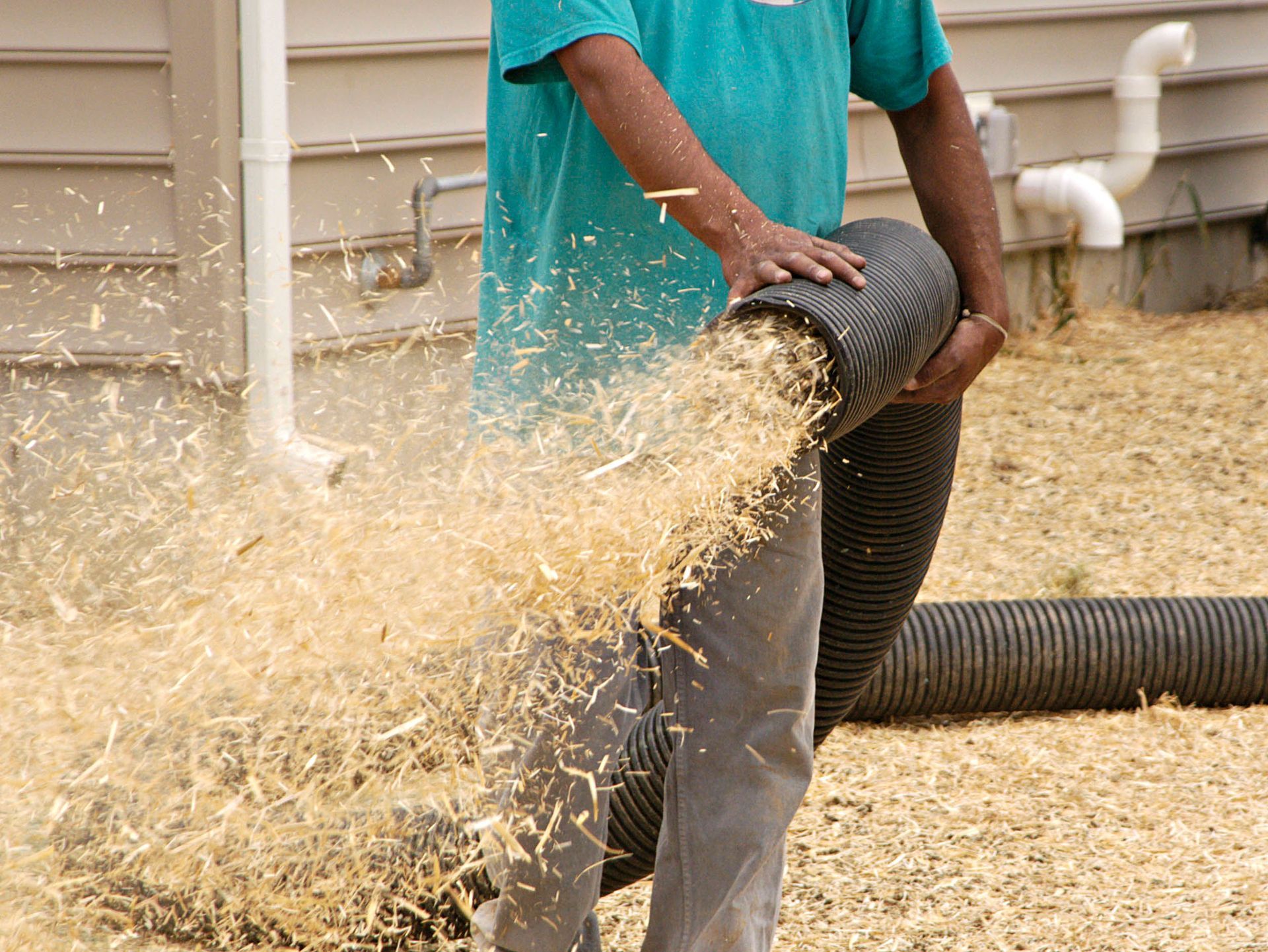
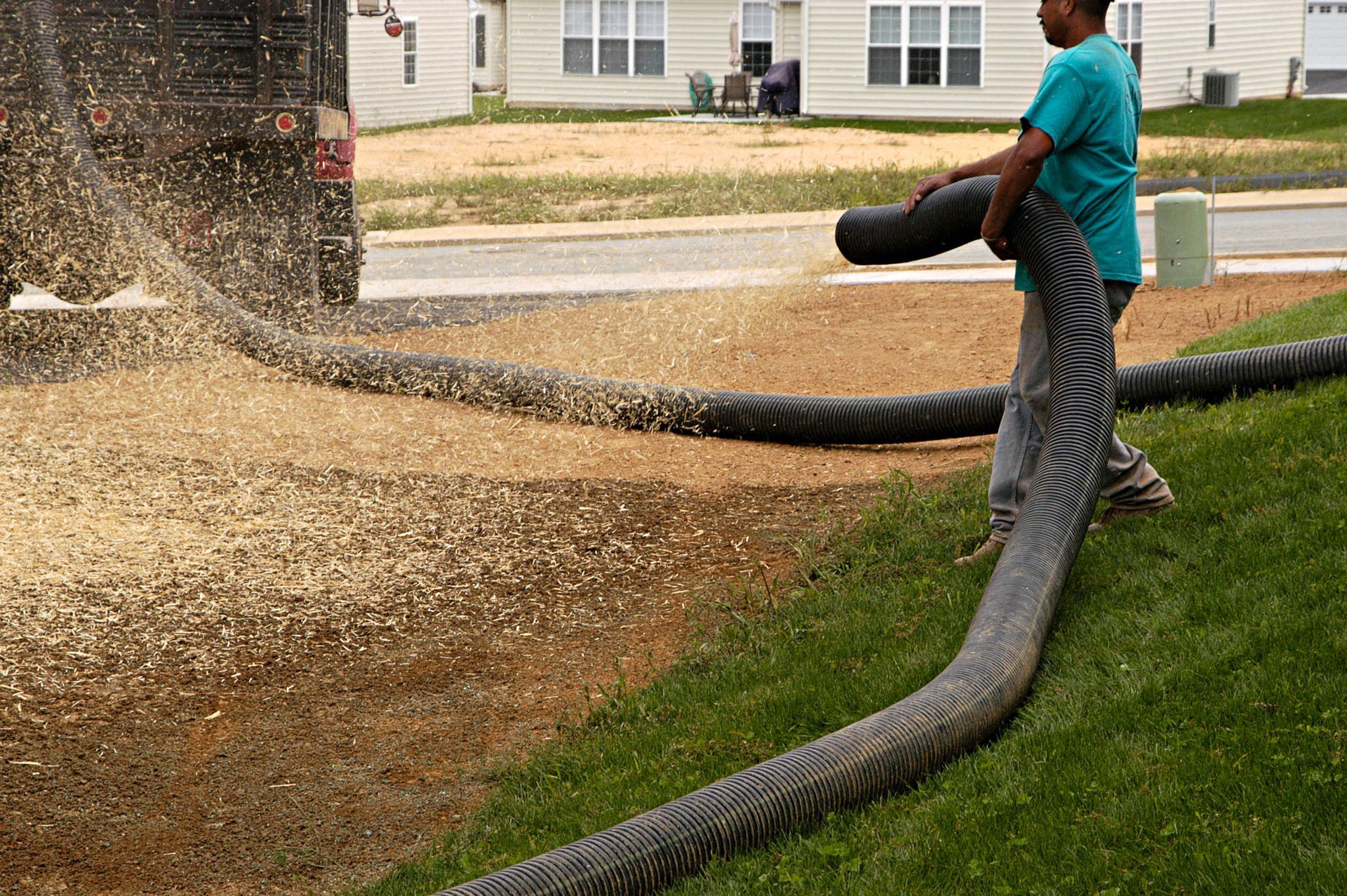
Conversely, professional slurry spraying demands a higher initial financial commitment for specialized machinery and custom-blended ingredients. This advanced approach requires a certified team to premix grass seeds, wood-fiber mulch, fertilizers, and binding agents inside a large commercial tank before pumping it onto your dirt. While this premium method costs more upfront than basic lawn seeding, it includes built-in soil protectants that save you from buying separate fertilizers and protective straw bales later on.
Analyzing Growth Lifespans
When analyzing the true chronological speed and density of your grass establishment, advanced slurry spraying displays a major biological advantage over dry scattering. The thick, custom-blended slurry holds moisture around the seeds like a sponge, triggering ultra-rapid germination and creating a uniform green blanket across your yard in just a few days. This dense, continuous coverage binds the soil together early, blocking weed seeds from taking root in your yard.
Traditional lawn seeding moves at a much slower, more vulnerable pace because dry seeds are entirely dependent on manual watering schedules and unpredictable weather cycles. If the top layers of your soil dry out for even a single afternoon, the fragile sprouts can die beneath the surface, forcing you to start the lawn seeding process all over again. However, it is vital to keep your ultimate timeline expectations realistic regardless of the path you choose. According to The Spruce, hydroseeding takes longer than sodding to establish a lawn; completion can take up to eight weeks. If you have the patience to manage this timeline, both slurry spraying and traditional lawn seeding will eventually reward you with deep, robust root networks that outlive flimsy grown turf rolls.
Measuring Weather Resistance
The slope of your property and the frequency of local rainstorms should heavily dictate which method you select to plant your new yard. Traditional lawn seeding faces severe structural risks if your property features steep hills or faces heavy seasonal downpours. Because loose dry seeds sit completely unprotected on top of the dirt, a single torrential rainstorm can easily wash your entire financial investment straight down the street, leaving your soil heavily eroded and completely bare.
Slurry spraying eliminates this wash-out anxiety by utilizing advanced, eco-friendly glues to lock the seeds firmly onto your soil. The wood-fiber mulch layer forms an unbending physical armor plate over your yard, deflecting heavy raindrops and holding the seeds in place even on steep, vertical banks. Choosing this highly resilient method over basic lawn seeding ensures that your grass stays exactly where it was planted, protecting your yard through unexpected storms and preventing frustrating soil erosion.
Reviewing Daily Maintenance
The final, crucial factor to weigh before choosing your planting path is the amount of regular care and daily monitoring required to keep your sprouts thriving. Classic dry lawn seeding demands an intense, non-stop physical commitment from the property owner to keep the dirt consistently damp. You must manually adjust sprinklers multiple times a day to prevent dry spots, and you must constantly watch out for hungry birds and wind gusts that steal your exposed seeds.
Slurry spraying cuts down your regular maintenance chores significantly by automating the early protection phases of your grass growth. The thick fiber matrix traps moisture deep against the soil, allowing you to water your yard less frequently while achieving superior biological results. If you want a beautifully uniform lawn without spending your entire weekend managing complex irrigation grids, this low-maintenance convenience makes it an incredibly attractive alternative to standard lawn seeding projects.
Sustaining a beautiful, vibrant, and highly resilient lawn over the long term requires a steady combination of smart material selection, proper watering habits, and expert soil protection. Your choice of planting methodology serves as the vital foundation for your yard's overall health and your primary tool for driving neighborhood curb appeal, meaning that attempting to shortcut the process with cheap seed blends or unverified scattering techniques will only lead to patchy growth and expensive re-seeding fees down the road. Stepping away from disorganized planting habits and investing your energy into a proactive, well-managed care plan is the absolute best way to insulate your household budget from unexpected landscaping failures. By aligning your property improvement goals with a disciplined, professionally managed
lawn seeding strategy, you successfully protect your short-term home improvement funds and safeguard your long-term real estate equity.
When you take the time to prioritize nutrient-rich soil preparation, high-performance moisture-retaining mulches, and precise seasonal timing, you unlock higher daily convenience, eliminate messy mud patches, and gain immense pride in your home's appearance. Professional-grade preventive care transforms bare, uninviting dirt back into a pristine, beautifully polished outdoor sanctuary that your family can enjoy with absolute pride. If you notice your current grass is looking thin and patchy, see ugly bare spots forming along your walkways, or are actively preparing to launch a spectacular yard transformation for your family, do not wait for a complete weed invasion to take action. Visit Twin City Hydroseeding online today to view your custom seed options, explore advanced slurry choices, and schedule a comprehensive system consultation to ensure your yard remains lush and healthy through every season for you and your family for years to come.